
Discover Handcrafted Home Textiles for Your Space

Handcrafted home textiles bring a unique charm to any living space. They combine traditional skills with modern needs, creating pieces that are both beautiful and functional. These textiles often carry stories of heritage and craftsmanship, making them more than just decor items. They add warmth, texture, and personality to your home.
Why Choose Handcrafted Home Textiles
Handcrafted textiles stand out because of their quality and uniqueness. Unlike mass-produced fabrics, each piece is made with care and attention to detail. This means you get a product that is durable and has character.
These textiles often use natural materials and dyes, which makes them eco-friendly. Choosing handcrafted items supports artisans and helps preserve traditional crafts. It also promotes sustainable practices, which is important for the environment.
When you bring handcrafted textiles into your home, you create a space that feels personal and inviting. The textures and patterns add depth and interest to your rooms. They can be used in many ways, such as cushion covers, throws, curtains, or table linens.

Hand block printed cotton cushion cover showcasing traditional Indian craftsmanship
Exploring Traditional Indian Hand Block Printing
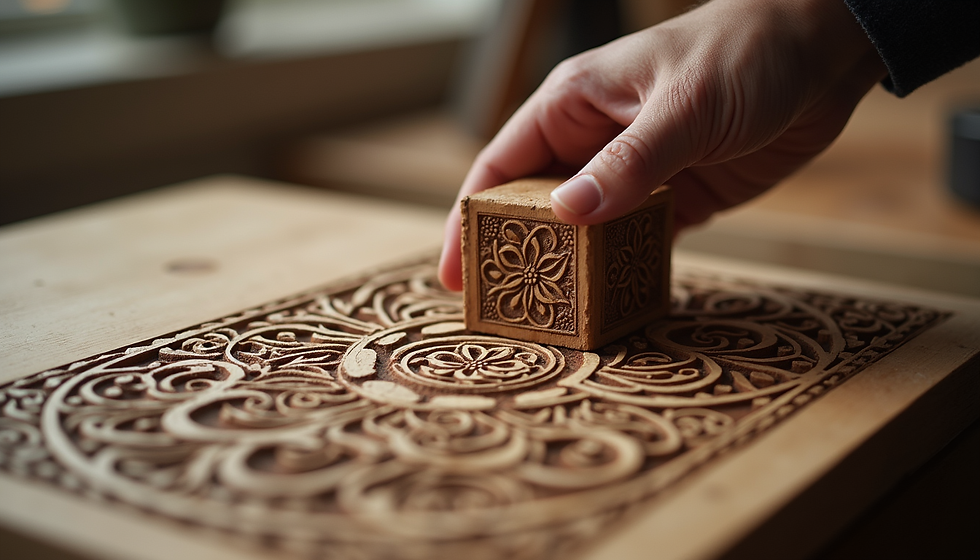
One of the most admired techniques in handcrafted textiles is Indian hand block printing. This method uses carved wooden blocks to stamp designs onto fabric. It is a slow, careful process that results in unique patterns and textures.
Hand block printing has been practiced in India for centuries. It reflects the rich cultural heritage of the region. The designs often include floral motifs, geometric shapes, and natural elements. Each print is slightly different, which adds to its charm.
For example, the Hand Block Printed Cotton Cushion Cover is a perfect example of this craft. Made from soft cotton, it features detailed patterns created by skilled artisans. This cushion cover adds a touch of tradition and elegance to any sofa or bed.
The natural dyes used in hand block printing are gentle on the skin and environment. They give the fabric a warm, earthy tone that fits well with many decor styles. This cushion cover is not only beautiful but also comfortable and practical.
Combining Style and Sustainability
Sustainability is a key factor when choosing home textiles today. Handcrafted items often use organic or natural fibers, which reduce environmental impact. They avoid synthetic chemicals and wasteful production methods.
The Hand Block Printed Cotton Cushion Cover is an example of a product that blends style with sustainability. It is made using eco-friendly dyes and traditional techniques that minimize waste. This makes it a responsible choice for your home.
Using handcrafted textiles also supports local communities. Many artisans rely on this work for their livelihood. By choosing these products, you help keep their skills alive and promote fair trade.
How to Use Handcrafted Textiles in Your Home
There are many ways to incorporate handcrafted textiles into your space. Here are some ideas:
Use cushion covers with hand block prints to add colour and texture to your living room.
Add a throw or blanket made from natural fibers to your sofa or bed for warmth and style.
Choose table linens with traditional patterns to enhance your dining experience.
Hang fabric wall art or tapestries to create a focal point in a room.
Mixing handcrafted textiles with modern decor creates a balanced look. The contrast between old and new adds interest and depth. It also shows appreciation for craftsmanship and culture.

Living room styled with handcrafted cushions and throws adding warmth and texture
Where to Find Handcrafted Home Textiles
Finding authentic handcrafted textiles can be a challenge. It is important to choose products that are genuinely made by artisans using traditional methods.
One way to do this is to shop from brands that focus on heritage crafts and sustainability. For instance, INDEHUE offers a range of handcrafted home textiles that highlight Indian hand block printing. Their products combine ancient techniques with modern design.
You can shop handcrafted home textiles online from such brands. This makes it easy to access unique pieces no matter where you live. Online shopping also allows you to explore a wider variety of styles and products.
Caring for Your Handcrafted Textiles
Proper care helps maintain the beauty and longevity of handcrafted textiles. Here are some tips:
Wash items gently by hand or use a delicate cycle with cold water.
Avoid harsh detergents and bleach.
Dry textiles in the shade to prevent fading.
Iron on low heat if needed, preferably on the reverse side.
Following these steps preserves the fabric and colours. It also respects the craftsmanship behind each piece.

Folded handcrafted cotton textiles with traditional Indian prints ready for use
Handcrafted home textiles offer more than decoration. They bring culture, history, and sustainability into your living space. Choosing pieces like the hand block printed cotton cushion cover supports artisans and keeps traditional crafts alive. It also adds a unique touch to your home that mass-produced items cannot match.
Explore the world of handcrafted textiles and find pieces that speak to your style and values. Consider how these items can transform your space with their texture, colour, and story. When you choose handcrafted textiles, you invest in quality, heritage, and a more sustainable future.
Comments